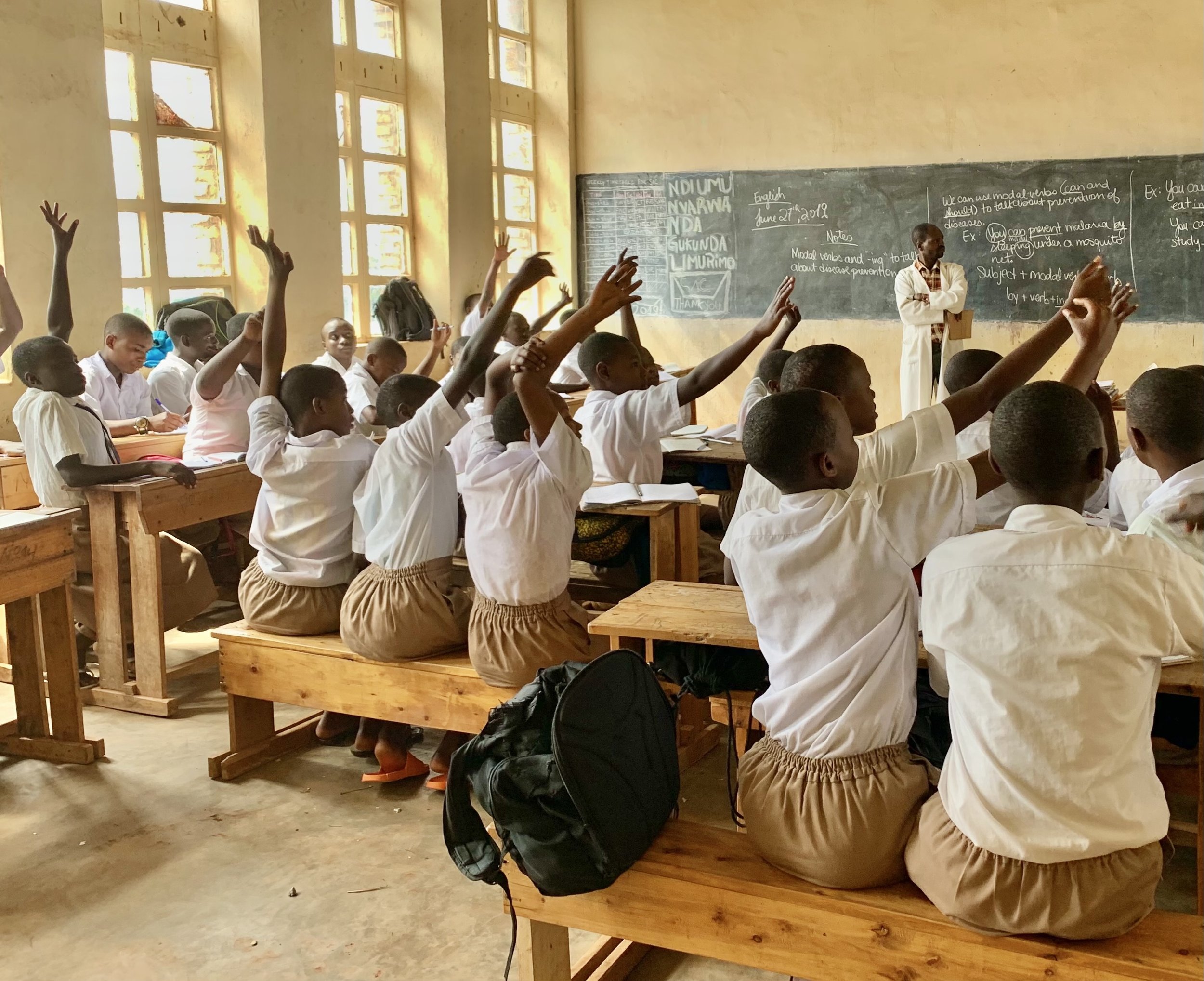
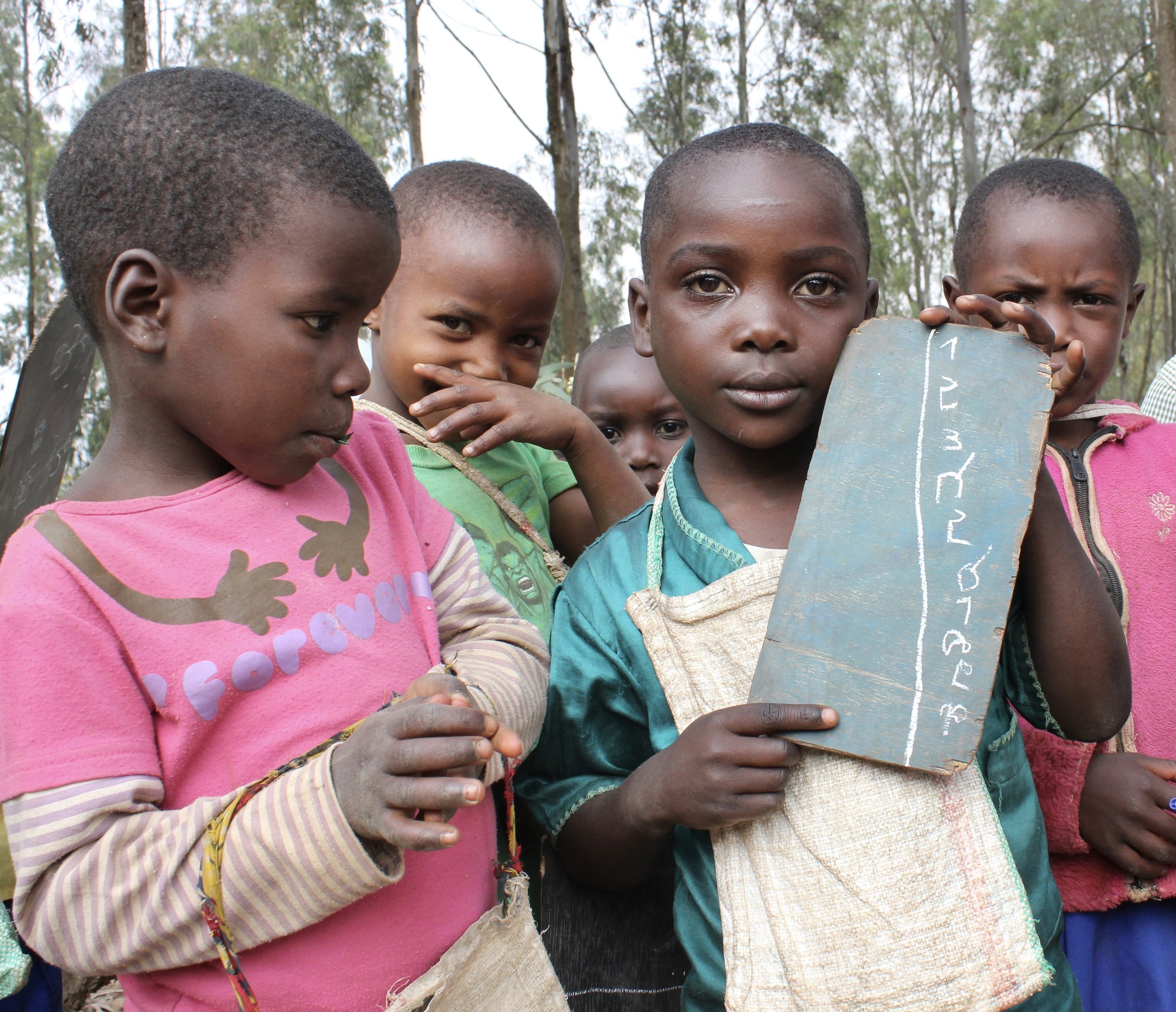
Since the 1994 genocide which tore it apart physically, economically, and socially, tiny landlocked Rwanda has been working to rebuild itself. It has earned a reputation as a very good place to try out international development initiatives. But though its densely-packed capital city, Kigali, is modernizing and strives to be a “tech hub” for Africa, the rest of Rwanda changes much more slowly.
74% of Rwandans live in rural areas, from the northern hills to the eastern savannah.
In every rural province, most adults are still subsistence farmers, cultivating plots of an acre or less. They struggle with sanitation, clean water, and nutrition— problems which the covid pandemic, chronic global inflation, a continual lack of cash income, and climate change have exacerbated.
According to the World Bank, Rwanda’s GNI (gross national income) per capita for 2025 reached about $1,100 USD, which is trumpeted online as good economic progress. But family income varies enormously depending on where you live and what kind of work is available to you: the average income for rural citizens actually ranges from around $30-$70/month ($360-$840/year) according to wage.is/rwanda. .
Rwanda is the 2nd most densely-populated country in Africa and as of 2026 still ranks among the 44 least-developed countries in the world.
With the rest of the developing world, Rwanda needs many things— and as its own government emphasizes, excellent education is at the top of the list. Half of its citizens are under 20 years old; non-farming jobs for young Rwandans are scarce, mostly informal, and leave them highly vulnerable economically. Yet this youthful population teems with intellectual promise, athleticism, artistic talent, technological savvy, and ingenuity. Many work 24/7 to help themselves and their country move forward, and our mission is to support those efforts. Thus we collaborate with educators, students, and district administrators to address school and staff needs they consider very difficult or impossible to meet without outside support. We also work to strengthen the local communities around each school, funding projects such as health care and small personal businesses.